Although there are literally thousands of insect species in North America, the bee is most likely to cause medical problems. Bee sting reactions can range from minor pain and itching to a potentially fatal allergic reaction.
Why Bees Sting
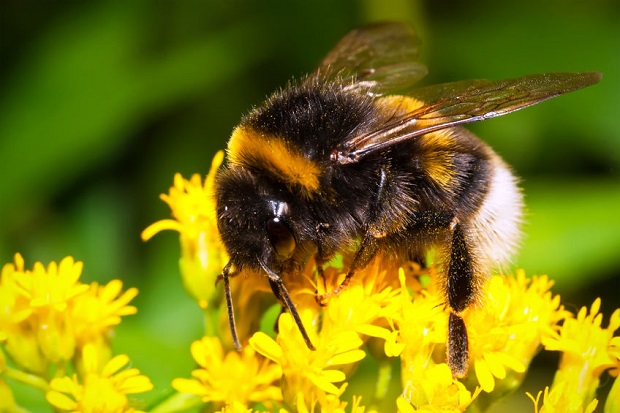
Bees, especially honeybees and bumblebees, will sting when they feel threatened. This can happen when a person inadvertently comes too close to the nest or otherwise acts in a threatening manner, such as swatting at a flying bee.
How the Venom Is Delivered
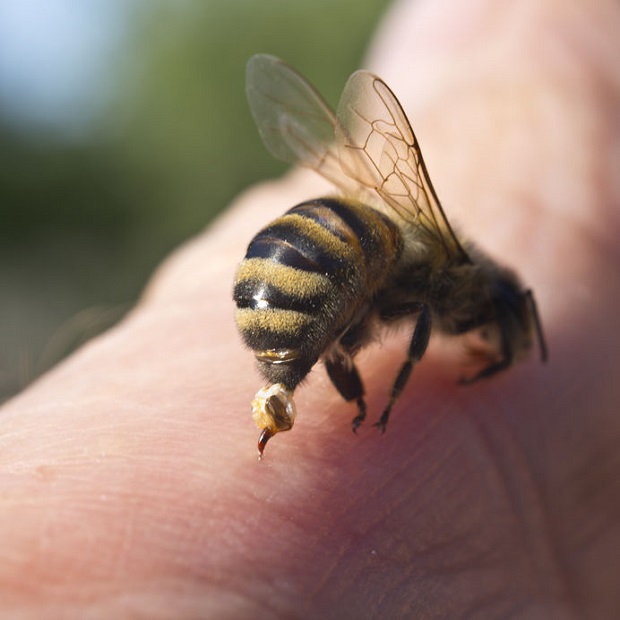
When a stinger is injected into the skin, the venom sack located at the top of the stinger begins to pulsate, thus pumping venom into the victim. It is recommended that the stinger be removed as quickly as possible to reduce the amount of venom being delivered. Removing the stinger stops the introduction of venom into the victim.
Types of Reactions
The most common reaction to any bee sting is pain, itching, and swelling at the sting site. The amount of itching and swelling can vary depending upon the individual and the part of the body that has been stung. Bee stings on sensitive areas such as the face or throat can be more dangerous as these body parts will swell more readily than other areas.
While not as common, there is the potential for a serious reaction to a bee sting. This generally happens with individuals who are allergic to bee venom or who have been stung multiple times. Symptoms of a severe allergic reaction can include increased heart rate, swelling of the airways, and difficulty breathing. The effects of this type of reaction are generally seen right after the sting, and immediate medical help should be sought. This can be a potentially fatal reaction known as anaphylactic shock.
Resources
“ENY122/AA159: Bee Stings and “Allergic” Reactions.” EDIS – Electronic Data Information Source – UF/IFAS Extension.
“About Bee and Wasp Stings.” West Virginia University