
What Is the Boiling Point of Water?
The boiling point of water depends on where you are on Earth. The boiling point of water is 100 degrees Celsius or 212 degrees Fahrenheit at sea level. But that boiling point is lower at higher elevations. The boiling point of water is lower by nearly 1 degree Fahrenheit for every 500-foot increase in elevation.
Jump Ahead
- Atmospheric Pressure Affects Water’s Boiling Point
- Food Takes Longer to Cook at Higher Elevations
- Adding a Solute Raises Water’s Boiling Point
- Water’s Boiling Point Differs on Different Planets
Atmospheric Pressure Affects Water’s Boiling Point
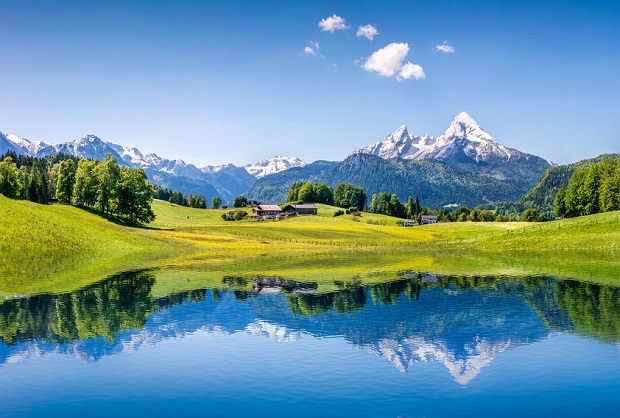
The main factor influencing the boiling point of water is atmospheric pressure. At lower pressures, the boiling point of water is lower; the boiling point is higher at higher pressures. The reason for this is quite simple; additional pressure translates as increased resistance in the air to the release of liquid molecules turned into gas, thus requiring more energy to complete the reaction.
At sea level, water boils at 212 degrees Fahrenheit, but at higher elevations, water boils at a lower temperature. The boiling point of water is lower by nearly 1 degree Fahrenheit for every 500-foot increase in elevation. For example, at the top of Mount Hood in Oregon, with an elevation of 11,239 feet above sea level, water boils at 190 degrees Fahrenheit.
Food Takes Longer to Cook at Higher Elevations
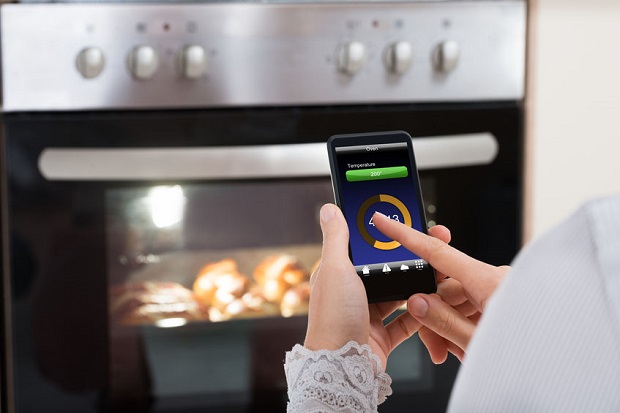
Translated to everyday life, this means that at higher elevations, food will take longer to cook. The water will boil faster, but it boils at a lower temperature. So for those following a recipe that live more than 3,000 feet above sea level, suggested cooking times need to be extended. According to the USDA, one-third of the US population lives in high-altitude areas where the boiling point of water is lower.
Adding a Solute Raises Water’s Boiling Point

When a solute is added to a solvent, in this case, water, it creates a solution that affects the water’s boiling point. The principle at work is known as the colligative property “boiling point elevation.” The boiling point elevation is the difference between the boiling point of the pure solvent with that of the solution.
The addition of a solute makes water boil at a higher temperature. For example, many people add salt to the water, believing it will help it to boil faster when in fact, it takes longer to boil. Though, once it boils, it will boil at a higher temperature. Of course, the addition of a pinch of salt to a pan of water creates a difference in boiling point that is infinitesimal.
Water’s Boiling Point Differs on Different Planets
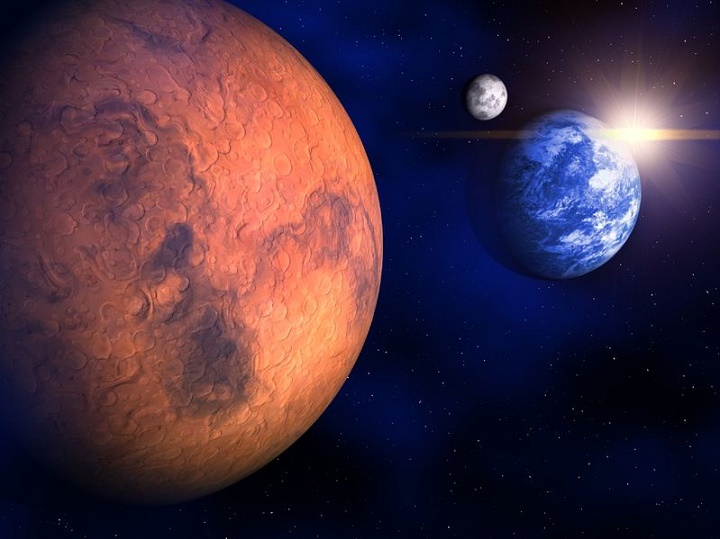
The lowest air pressure so far known to man comes courtesy of NASA data gathered on the planet Mars. As a result, the temperature range of liquid freshwater is reduced by a factor of ten. Rather than ranging from zero to 100 degrees Celsius, Mars’s water spans only zero to ten degrees Celsius. And at those ten degrees, much like on the highest of earth’s mountain peaks, water on Mars comes to a boil. The low-temperature evaporation of Mars water presents a difficult challenge for NASA scientists trying to chart the possible past evolutions of life forms there. Presumably, on some planet yet to be discovered by man, the reverse is also true; a very high air pressure means a water boiling point of one thousand degrees.
Resources